

The Modern Dane’s Guide to Sustainable Living in 2026
Discover simple ways to live more sustainably! From choosing eco-friendly furniture to adopting energy-saving habits, we share easy ways to boost your green lifestyle this year.
An Energy-Saving Audit for the Planet (and Your Pocket)
The U.S. Department of Energy have listed energy-saving tips on their website. Before anything else, they recommend getting a home energy audit, where a professional assesses your home and energy use before making energy-saving recommendations based on their findings. You can find a local home energy professional on the Energy Star website.
You can opt for a simple and cheaper audit that takes around an hour, or a more expensive one that takes around four hours but is more thorough and provides more detailed recommendations. The detailed assessment includes diagnostic tests such as infrared scanning for air leaks or areas lacking insulation, as well as checking for faulty equipment and signs of mold. Once the audit is complete, the auditor may recommend contractors to complete any work that needs doing (such as installing insulation).
Some professionals offer a follow-up service, where they inspect the work of the contractors once it’s done. This may or may not be included in the original rate; check this before you book.

If you prefer, you can also conduct your own audit using the Home Energy Assessment checklist provided by the government.
Whether you book a professional or conduct a DIY audit, it’s best to prioritize the projects and habit changes that provide the greatest return on time and investment. Some projects—such as installing insulation—will require considerable time and money, whereas many habit changes, such as switching off unneeded appliances, can begin immediately at no additional cost. Below are the most impactful recommendations made by home energy professionals—some of which you can start today, without needing an audit.
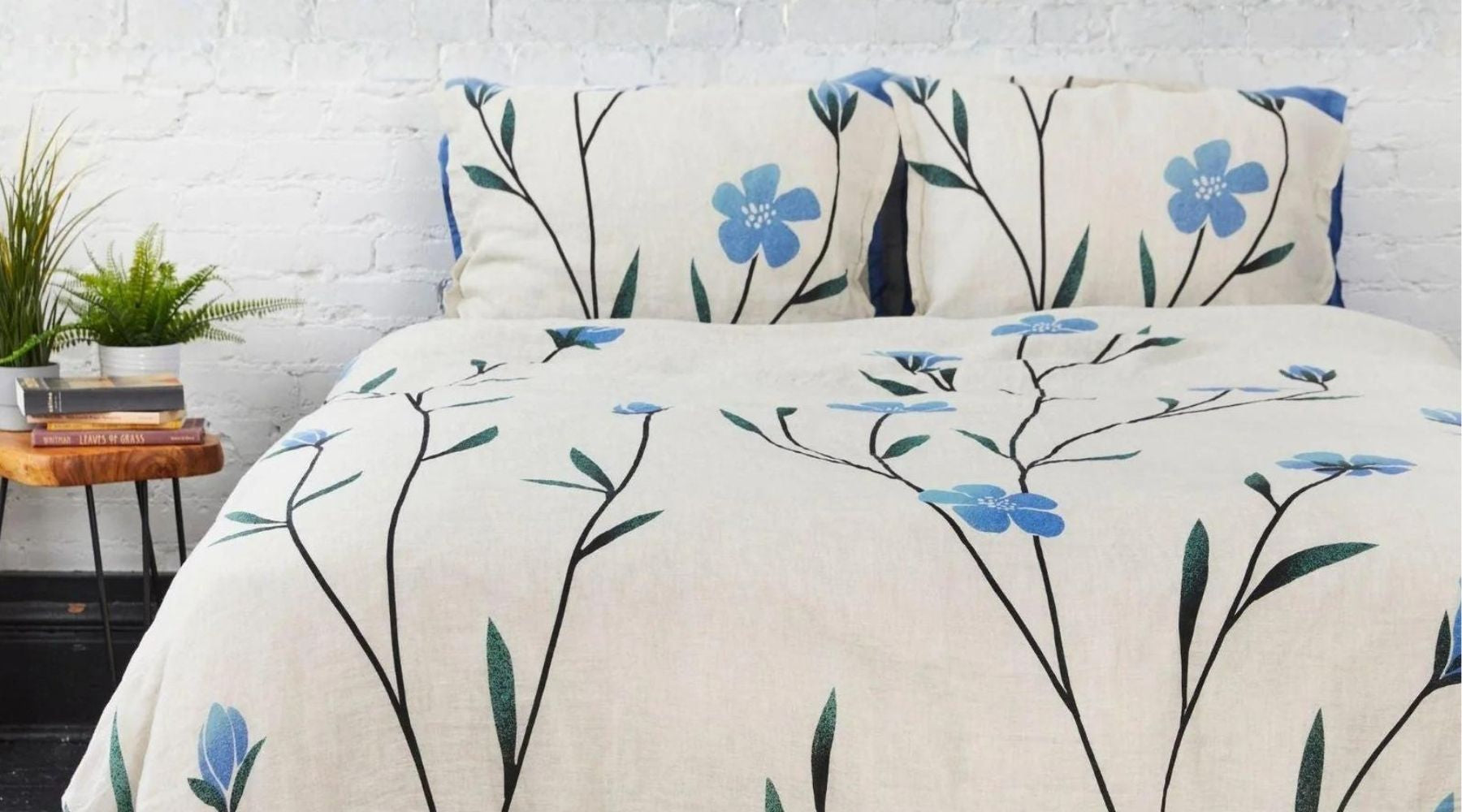
If you’re looking for bedding with a lower carbon footprint, try our European linen bedding. Flax, from which linen is made, acts as a carbon sink—and studies suggest that flax linen production uses less energy than cotton production!
Air Sealing Against Energy Loss
Sealing air leaks is one of the best things you can do to reduce your energy use. For just the cost of caulk, sealant, and weatherstrips, you can save 10-20% on your heating and cooling bills.
And you don’t need an infrared scanner—a visual inspection will identify most leaks. On a windy day, you might even hear the wind whistling through gaps in your windows or doors. Holding up a lit incense stick will confirm your suspicions—if the smoke travels horizontally, you’ve found a leak. Other places where leaks may occur include plumbing and electrical fixtures or attic hatches.

Once you’ve identified leaks, they’re usually easy to fix. Weatherstrip doors and windows and apply caulk or sealant to plumbing or electrical gaps. Larger gaps may require foam sealant. Consider a reusable chimney balloon to seal your fireplace—just remember to take it out when you want to light a fire! That said, the balloon should automatically deflate on contact with heat.
Insulating Your Home
Once you’ve completed air sealing, think about whether you need to add insulation. The effectiveness of insulation is measured by its R-value, which is printed on the packaging or listed online. The colder your local climate, the higher R-value insulation you’ll need to purchase. The U.S. Government has printed a map of climate zones (and corresponding R-values) for all parts of the United States, from Hawaii to Alaska.
Depending on the type of home you have, either exterior or interior insulation will be more feasible. A home energy professional can help you to figure out what’s best for you, including the type of insulation: fiberglass rolls, loose rock wool, rigid foam, or polyurethane foam-in-place. There is even insulation made from recycled materials, such as denim fibers. Be aware that installing foam insulation requires protective equipment and sufficient ventilation; consider hiring a professional to do this.
Efficient Heating and Cooling
Heating and cooling systems typically use the most energy in U.S. homes—around 32% on average. You can reduce your energy bills by getting yours regularly inspected and installing a smart thermostat (which can switch everything off automatically when you leave home).

Heating and cooling systems have improved considerably in the last few years—so if budget and practicalities allow, upgrading your system (or even installing a power-saving heat pump) will hugely benefit both the planet and your long-term savings. Just be sure to get one of an appropriate size and power for your home.
How to Save Water
Outside of energy saving, one of the most sustainable (and cost-saving) steps you can take is to reduce your water use. Small leaks can add up, so fix those first. Otherwise, use the shower instead of the bath, use a plug when washing dishes by hand, and keep a jug of water in the refrigerator to avoid running the tap till it’s cool.
Did you know that cotton—even organic cotton—is one of the most water-intensive materials to produce? You need 2,700 liters of water to produce just one cotton shirt, which has resulted in the drying up of lakes in cotton-producing areas.
European flax linen, by contrast, requires far less water to produce. Except in exceptional circumstances such as drought, European flax farmers are not permitted to use artificial irrigation, meaning that European flax uses only rainwater to grow. The Modern Dane’s European bedding is made from 100% European flax grown in France, Belgium, and the Netherlands; switching to linen (when it’s time to replace your bedding) is a savvy way to save water.

Sustainable Furniture
The most sustainable furniture is vintage, but furniture made from reclaimed or recycled wood is also a great way to support independent designers. If you’ve got your heart set on new furniture, look out for Forestry Stewardship Council (FSC) certification. Trees used for FSC-labelled products are harvested responsibly—with no net loss of forest over time—and old-growth forests are identified and protected. You might also see the FSC Recycled label, which means that the product is made from 100% recycled materials.
Once you’ve got your FSC-certified bed, it’s time to dress it with sustainable bedding. Our Danish-style bedding is made from carbon-negative, sustainable European flax linen. Choose your design—nature-inspired or solid-color—in our shop.
What do you do to live more sustainably? Will you be making any changes in 2026? Let us know on Instagram, Pinterest, Facebook, or Twitter!
Read more

Linen Bedding: Soft, Breathable, and Timeless for Any Bedroom
Soft, airy, and effortlessly timeless—discover why linen bedding is the easiest way to add comfort and style to any bedroom.
Read more
Linen for Every Personality: Finding Your Perfect Bed Vibe
Find the bed style that suits you. From minimalist to bohemian, we explore how color, texture, and bedding create a bedroom that feels like you.
Read more

Leave a comment
This site is protected by hCaptcha and the hCaptcha Privacy Policy and Terms of Service apply.