

Is Linen Bedding Worth the Cost?
Linen bedding is often more expensive than cotton—at least at first. The reasons behind this are that cotton prices are artificially distorted by government subsidies and are also often produced in developing countries exploiting labor and utilizing alarming amounts of chemicals to increase yields. European linen in contrast is grown and processed by crafts-people under European labor laws and the process to transform flax into linen is fully mechanical—this means it is more time and labor intensive but results in a textile that is inherently sustainable and of far greater quality. That initial outlay also buys a host of benefits, meaning that the overall cost—cost-per-use, cost to your health and cost to the environment—is lower in the end.
Linen Lasts for Generations
Flax fibers are notoriously tough, consisting of many cells packed together (as opposed to cotton’s single-celled strands). That strength makes it an excellent material for grain sacks and ropes—which use the rougher, short flax fibers—as well as linen bedding, which use the finer, longer flax fibers. Compared with cotton, which eventually pills and rips, linen gets softer over time as the pectin in the strands is washed away. In parts of Scandinavia, European linen duvet covers are passed from one generation to the next. So, while linen requires a higher upfront cost, the cost-per-use is often lower than cheaper bedding made from weaker materials.
It’s Fit for All Seasons
With linen bedding, you don’t need to buy a new cover every time the temperature changes. Due to its porousness, linen has great heat conductivity, directing heat away from the body during summer. Linen also wicks away humidity and perspiration, so you’ll never have to sleep under damp sheets.
In winter, those same pores act as a great insulator, retaining your body’s heat and continuing to wick away moisture. Linen’s natural heft seals off drafts, too, so you won’t waste money on throws or top sheets.

It Looks High-End (But Not Ostentatious)
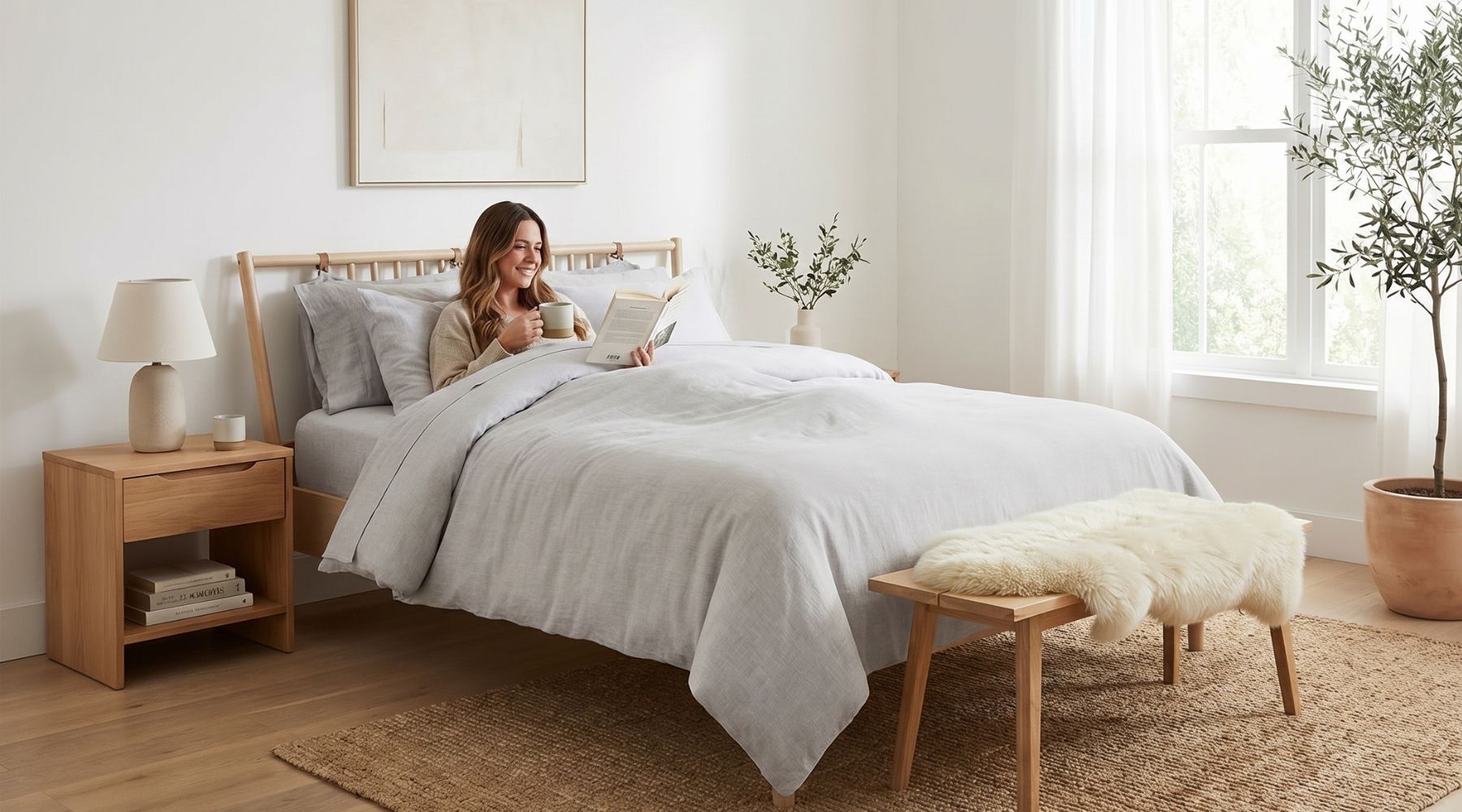
The darling of Pinterest and Instagram, linen bedding has that hand-crafted, textured look impossible to replicate with too-perfect, production-line polycotton. Though high-end, linen isn’t “luxe” in the same way as an overpriced designer handbag or brand-name shirt. You won’t have to upgrade your entire space to match your European linen duvet covers—they look equally at home in luxury hotels and student dorms. Rather than purchasing a name or a reputation, every penny goes into the superior craftsmanship that is the hallmark of Scandinavian design.
Buying Time
Linen bedding is supposed to look rumpled—that’s precisely its appeal. So you don’t need to spend hours ironing it—invest that time in your family instead, or in your latest Scandinavian DIY project. You’ll make the bed in seconds too; linen is so beautiful on its own that you can forget about those messy throw pillows that somehow end up on the floor every night. Our Scandinavian linen duvet covers come with corner ties that stop your duvet from shifting around inside, making it easy to make your bed in the morning—a quick shake out is all you need.
Good Things Come to Those Who Wait
European linen takes a long time to produce, which naturally drives the cost up. In today’s industrialized world, it’s easy to cut corners using chemicals such as fertilizers, pesticides and solvents that speed up the “retting” process (whereby the natural “glue” of the linen fiber is broken down to prepare it for spinning). These chemicals can cause harm to surrounding communities, who may be exposed to higher levels through drinking water and air transmission. Without chemicals, retting takes several weeks but produces a product that has been grown sustainably, without causing harm to the surrounding environment.

The True Cost of Cheap Textiles
We believe beautiful bedding should never come at the expense of people or the planet. That’s why our linen is made exclusively from European flax grown in France, Belgium, and the Netherlands, and certified under Masters of Flax Fibre™ for full traceability from field to fiber. Our finished fabrics are also OEKO-TEX® certified, ensuring they’re tested against harmful substances and produced in facilities that meet strict environmental and safety standards.
Equally important is where and how our linen is made. Our European partners operate under some of the strongest labor protections in the world, with comprehensive regulations around worker safety, working hours, and compensation. These standards stand in stark contrast to much of today’s global textile industry, where costs are often driven down by outsourcing production to regions with limited oversight and weak labor protections.
In 2013, the Rana Plaza garment factory in Bangladesh collapsed, killing 1,138 workers who had been ordered to continue working despite visible structural dangers. While this tragedy briefly captured global attention, unsafe conditions and poverty wages remain a reality for many garment workers worldwide—especially where speed and low prices are prioritized over human dignity.
We choose a different path. By sourcing European flax and partnering with mills and workshops operating within robust regulatory frameworks, we focus on transparency, accountability, and long-term stewardship—rather than cutting corners. When you choose our Scandinavian-inspired linen, you’re investing in bedding made with care, traceability, and respect for the people behind it. Because the true cost of cheap textiles is far higher than the price tag suggests.
Have we convinced you that linen is worth the cost, or are you already a linen convert? We’d love to hear—let us know on Instagram, Pinterest, Facebook, or Twitter!

Read more

Décor DIY: 10 Ideas for Scandi-Style Interiors
Time to break out the tools! See 10 of our favorite Scandi-style DIY projects, a great way to put your personal stamp on your Scandinavian home.
Read more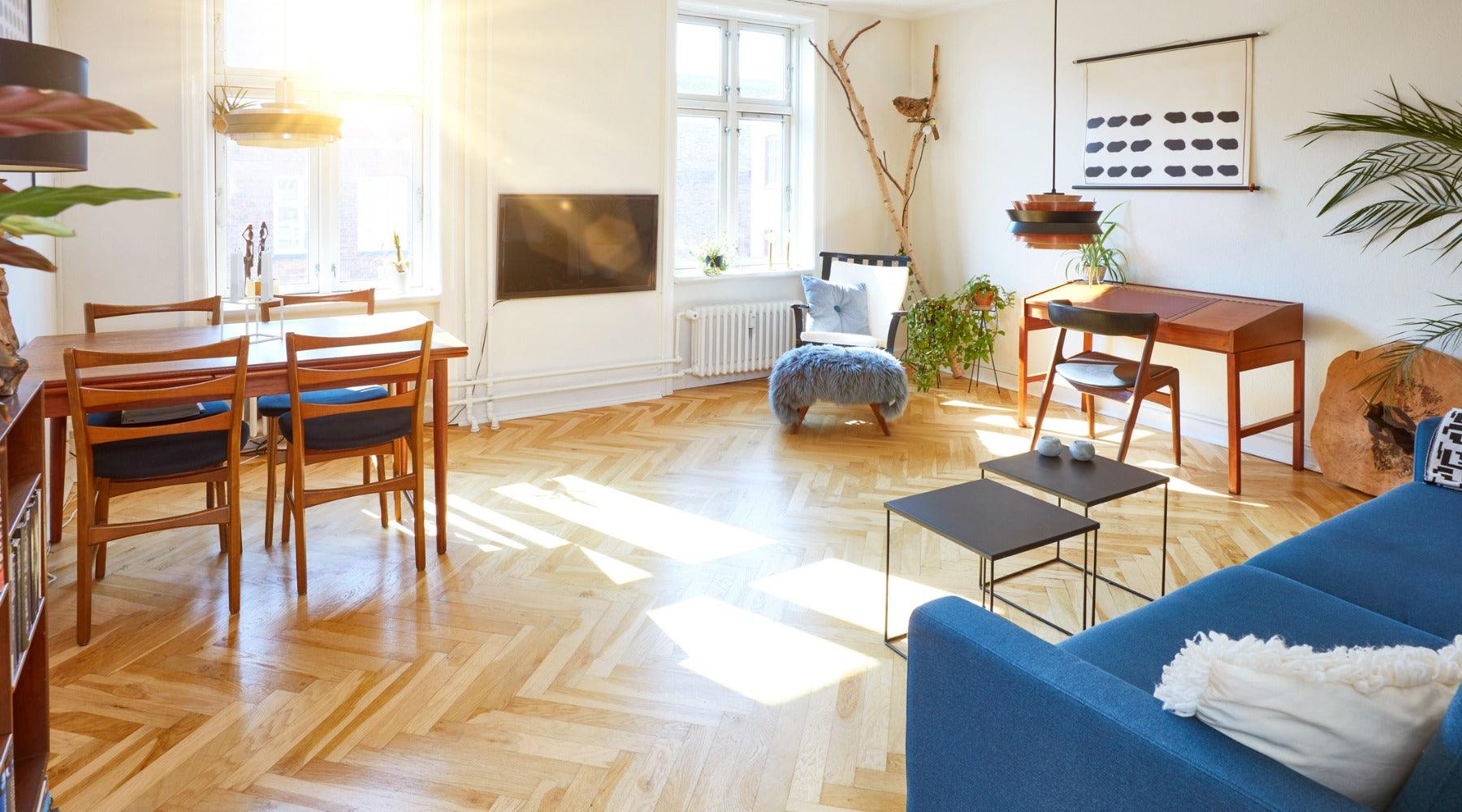
Scandinavian Design for Small Spaces
Scandi-style is ideal for small spaces as it's all about creating hygge in every room. See how to bring function and beauty to even the smallest of spaces.
Read more

Leave a comment
This site is protected by hCaptcha and the hCaptcha Privacy Policy and Terms of Service apply.